


Every trainer has a voice. Not just literally, but in the way they phrase things, the pauses they leave for reflection, the tone they use when pushing someone past a comfort zone. Students recognise it. They trust it. Over time, it becomes inseparable from the methodology itself.
That voice has always been the thing that couldn't scale. A trainer can record a course, write a book, build a slide deck. But the conversational quality of their coaching, the back-and-forth that adapts in real time, has always required them to be in the room.
Voice cloning changes this. Not by replacing the trainer, but by giving them a way to extend their presence into moments they could never reach before. A student practising at midnight. A new hire preparing for a difficult call during the weekend. An entire cohort running through roleplay scenarios simultaneously, each hearing the same familiar voice guiding them through it.
This post explains how voice cloning works in a training context, what it takes to get started, and why trainers who build their personal brand around their voice now have a powerful new tool to scale it.
What voice cloning actually means for trainers
Voice cloning in the context of professional training is not about generating deepfakes or impersonating someone. It is about creating a digital version of a trainer's voice that can power interactive AI coaching conversations.
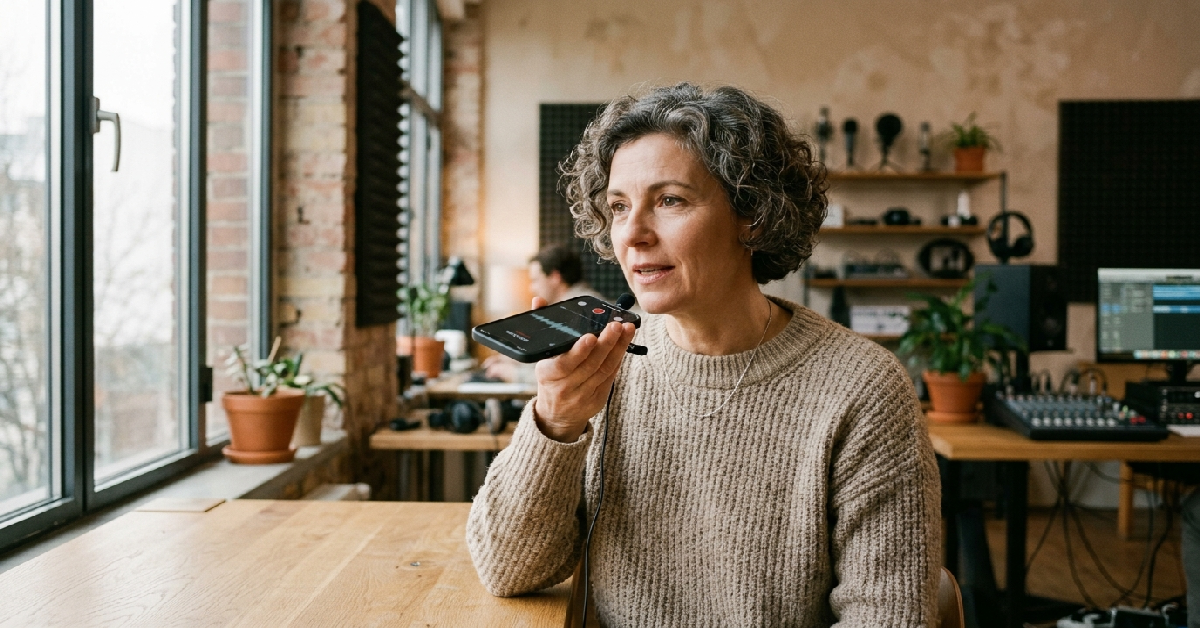
Here is what that looks like in practice. A sales trainer records one to three minutes of clear audio, reading a passage in their natural coaching voice. AI analyses the recording and builds a voice model that captures their tone, pacing, accent, and speaking style. That model is then paired with a conversational AI system that uses the trainer's methodology, their exercises, their frameworks, and speaks to students in something that sounds remarkably like the original.
The result is not a recording that plays back. It is a live, adaptive conversation. The AI listens to what the student says, responds in the trainer's voice, asks follow-up questions, adjusts its approach based on what it hears, and guides the student through practice scenarios. It is the difference between a voicemail and an actual phone call.
For trainers, this is significant because voice carries trust. Research in educational psychology consistently shows that familiarity with an instructor's voice increases engagement and recall. When a student hears the same voice they associate with their classroom or workshop experience, the AI session feels like an extension of that relationship, not a replacement.
How voice cloning technology works (without the jargon)
The underlying technology has advanced rapidly. Modern voice cloning uses deep learning to analyse a sample of someone's speech, extracting characteristics like pitch, timbre, rhythm, and intonation. It then builds a model that can generate new speech, saying things the original speaker never actually said, while preserving those vocal characteristics.
There are two main approaches available today. Instant cloning works from a short sample, typically one to three minutes of clear audio. The AI does not train a custom model from scratch. Instead, it uses patterns it has already learned from millions of voices to make an informed approximation. The result is surprisingly accurate for most voices and can be ready within seconds.
Professional cloning requires more audio, usually thirty minutes to two hours. This creates a dedicated voice model trained specifically on the speaker's voice, capturing subtler qualities that instant cloning might miss. The result is nearly indistinguishable from the original, even to people who know the speaker well.
Both approaches now support over thirty languages. A Dutch trainer can clone their voice once and have it speak convincingly in English, German, Spanish, or French. The AI preserves the vocal quality while adapting pronunciation and cadence to the target language. For training organisations operating across borders, this is a practical breakthrough that previously required hiring native-speaking trainers in every market.
The quality threshold has crossed an important line. Two years ago, cloned voices were recognisably synthetic. Today, in controlled listening tests, most people cannot reliably distinguish a well-made voice clone from the original speaker. That gap continues to narrow.
Why voice matters more than most trainers realise
Trainers invest heavily in their methodology: the frameworks, the exercises, the step-by-step processes that produce results. But when students describe what makes a trainer effective, they rarely start with the content. They talk about how the trainer made them feel. The encouragement in their tone when someone struggled. The calm, measured pace during a difficult exercise. The energy that made a dry topic come alive.
These qualities live in the voice. And until now, they could not be separated from the person.
This is what makes voice cloning different from simply giving an AI chatbot a script based on a trainer's methodology. Text-based tools can deliver the same content, but they strip out everything that makes it feel personal. Voice reintroduces the human element at scale.
Consider the difference in a feedback coaching scenario. A text-based AI might say: "That's a strong opening. Try making your next point more specific." A voice AI using the trainer's clone might say the exact same words, but with the warmth, pacing, and emphasis that student recognises from their live sessions. The information is identical. The experience is fundamentally different.
For trainers whose brand is built on how they deliver, not just what they deliver, voice cloning turns their most distinctive asset into a scalable one.
What it actually takes to clone your voice
The practical requirements for creating a usable voice clone are simpler than most people expect.
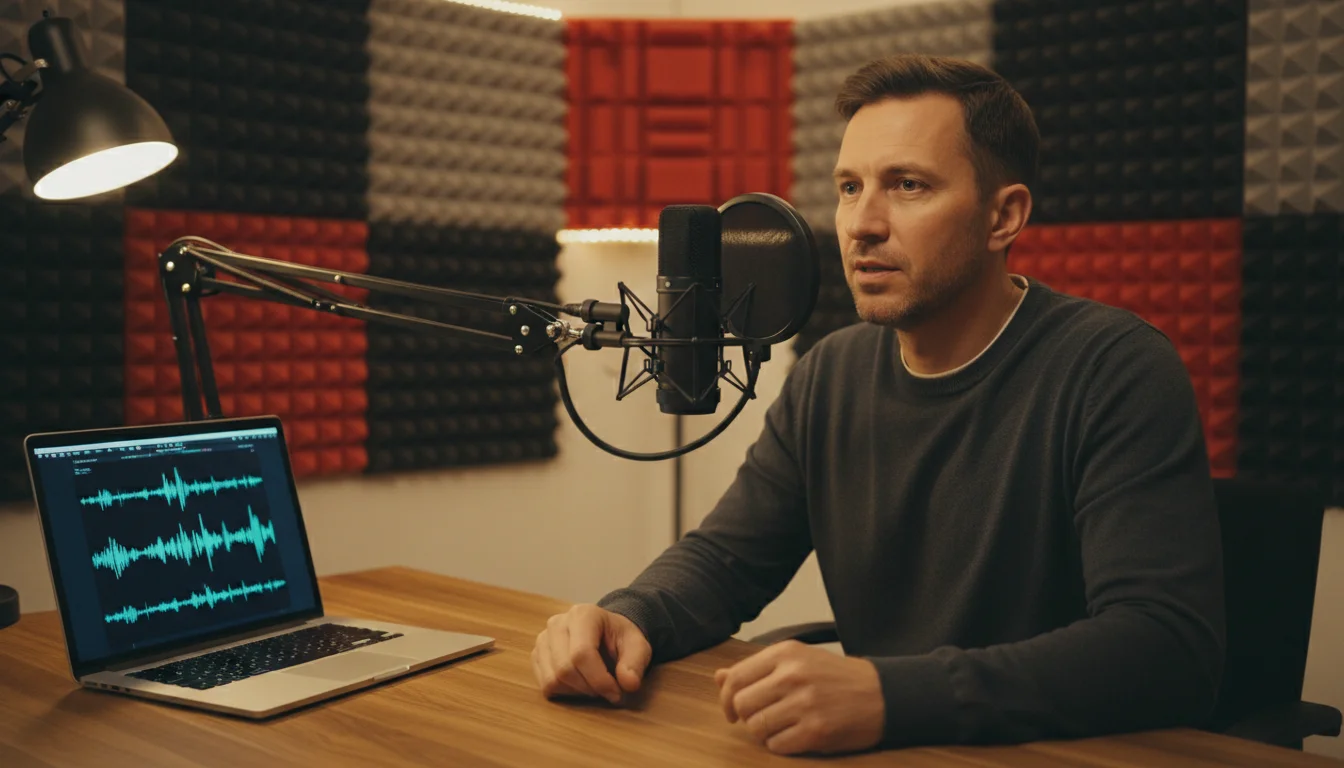
For an instant clone, a trainer needs about one to three minutes of clear audio. This can be recorded on a decent microphone in a quiet room. Laptop microphones work in a pinch, but a USB podcast microphone produces noticeably better results. The key factors are consistency of tone, minimal background noise, and natural speech. Reading a passage from their own training materials works well because it captures their authentic coaching delivery.
For professional-grade cloning, the bar is higher: thirty minutes to two hours of clean audio. Trainers who already have recorded webinars, podcast episodes, or course videos can often extract suitable material from existing content. The audio should feature only one speaker, maintain a consistent volume, and be free of background music or interruptions.
The entire process, from recording to having a working voice model, takes minutes for instant cloning and typically a few hours for professional cloning. Once the model exists, it can be used indefinitely and updated as needed.
One important requirement: legitimate voice cloning platforms require explicit consent verification. The person whose voice is being cloned must confirm that they authorise the creation. This is not a limitation. It is a feature that protects trainers from having their voice cloned without permission.